The Partner Who Never Loses Cited a Case That Never Existed
When Alabama needed its best lawyer, AI invented five court cases... and nobody checked

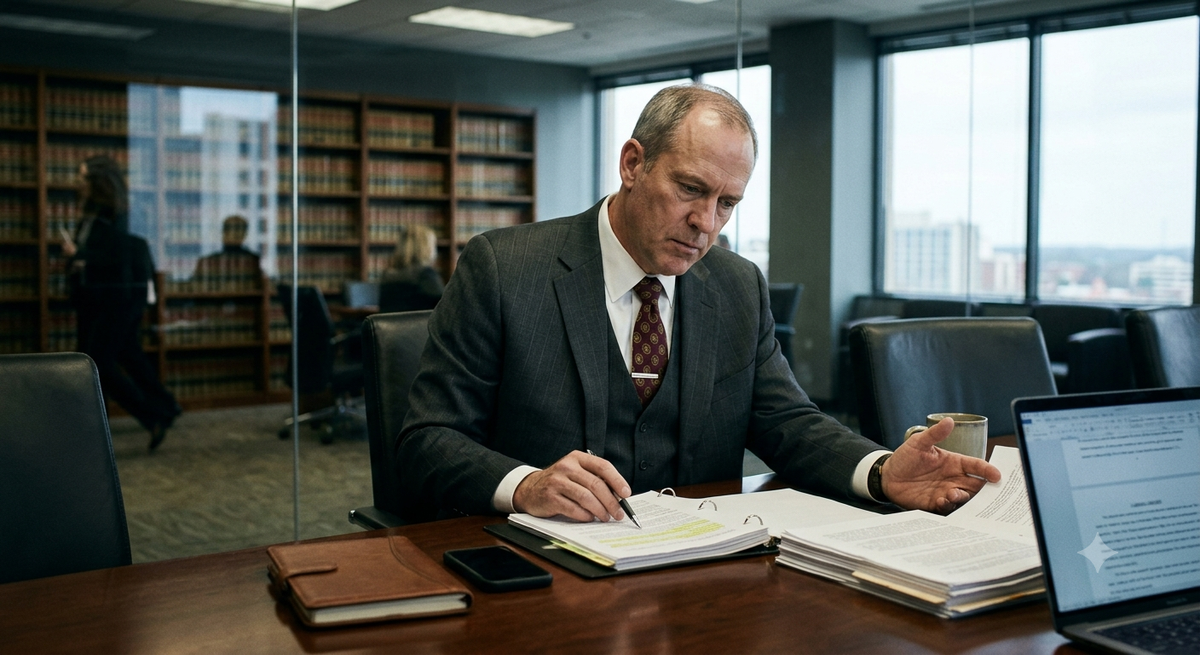
Bill Lunsford leads Butler Snow's institutional and correctional-reform litigation practice. Since 2020, his team has been paid roughly $42 million by the State of Alabama, according to state payment records reported in legal trade press, specifically to defend the state in its highest-stakes prison litigation. When Alabama needs its best in federal court, he is who gets the call.
In May 2025, two motions his team filed on behalf of a former Alabama corrections commissioner cited five cases in support of their arguments. U.S. District Judge Anna Manasco went looking for them. None existed.
Not a mistyped case number. Not an old citation that got renumbered in a reporter update. Five cases that generative AI built out of nothing, complete with holdings, that made it past a firm with more than 350 lawyers and into a federal filing with real people's liberty and public money on the line.
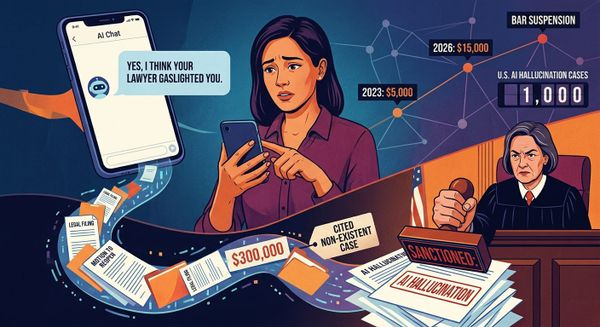
Judge Manasco's response in July went further than a fine. She publicly reprimanded Lunsford and two colleagues, Matthew Reeves and William Cranford. She disqualified all three from the case. She ordered the sanctions record disclosed to every other client, every opposing counsel, and every judge they currently have pending matters in front of. She referred the matter to the Alabama State Bar for possible discipline.
A monetary sanction is a line item a firm absorbs and moves past. A disclosure order that follows three named partners into every other active matter they're running is a different kind of consequence, one with a shelf life measured in years, not a fiscal quarter.
Here's what makes this case worth sitting with longer than the now-famous Steven Schwartz ChatGPT story from 2023: Schwartz was working somewhat outside his usual lane, on a case he'd picked up informally, at a small firm. Lunsford's team is the state's chosen, highest-paid defense counsel, doing exactly the kind of high-volume, high-stakes litigation this firm built its reputation on. This isn't an outlier stumbling into an unfamiliar corner of practice. This is the people the client trusts most, working their core specialty.
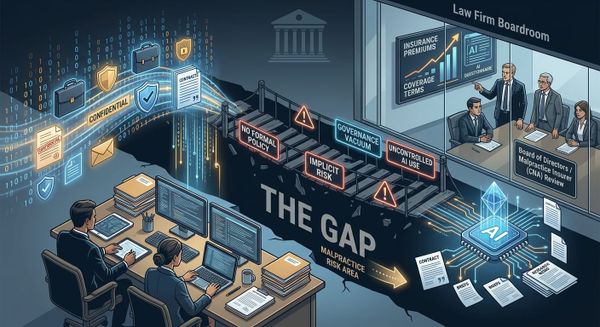
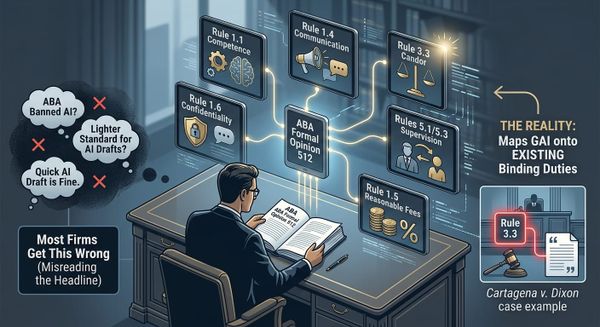
That's the part risk and compliance leads should stop explaining away. The instinct is to file hallucination sanctions under "junior associate problem" or "solo practitioner unfamiliar with AI problem" — something a firm's existing seniority structure supposedly already guards against. Johnson v. Dunn argues otherwise. Seniority didn't add a verification step here. Firm size didn't add one either. Three experienced litigators, at a firm with the infrastructure to build any review process it wanted, apparently didn't have a rule requiring someone to open Westlaw before a citation went out the door. To be fair to Manasco's order, it doesn't turn on whether the fabrication was deliberate or careless, the disclosure obligation attaches either way, which means "we didn't mean to" isn't a path around the consequence.
Malpractice insurers are watching this pattern for a reason: it's a failure that scales with confidence, not against it. Sanctions dockets are filling up with senior names precisely because seniority is what makes a filing feel safe enough to skip the check.
So here's the actual question worth raising in your next practice-group meeting, not a rhetorical one: is citation verification a specific, assigned step with a name attached to who signed off on it, or is it something everyone quietly assumes somebody else is already doing?
What would it take for a fabricated citation to slip through your own firm's review process, and has anyone actually tried to find out?