One Fabricated Quote. One $10,500 Sanction. Zero Excuses Left.
AI gave them the perfect case. Complete with a citation. A direct quote. And a legal standard. The problem? None of it existed.

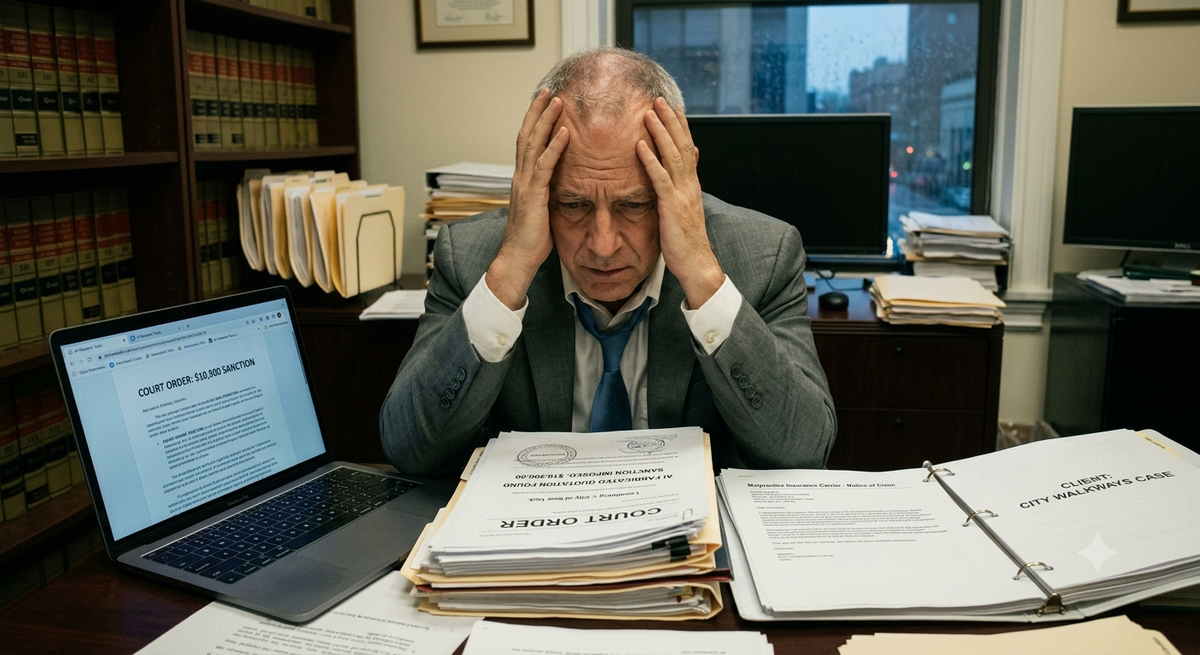
A lawyer needed a case to support one argument: that property owners have a duty to "monitor and control" the walkways next to their buildings.
AI gave them one. Complete with a case name, a citation, and a direct quote.
The problem: the case doesn't exist. Neither does the quote.
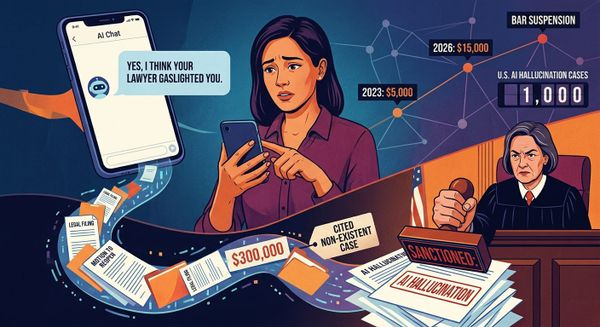
In Landberg v. City of New York, decided this June, a New York appellate court caught not one but five separate fabrications in a single brief, a nonexistent standard-of-review case, a mischaracterized holding, a misstated rule about records searches, an invented Court of Appeals opinion, and the walkway quote that started it all. The court's response: a $10,500 monetary sanction.
That number is the easy part to calculate. It doesn't include:
— the associate hours spent re-briefing the case from scratch
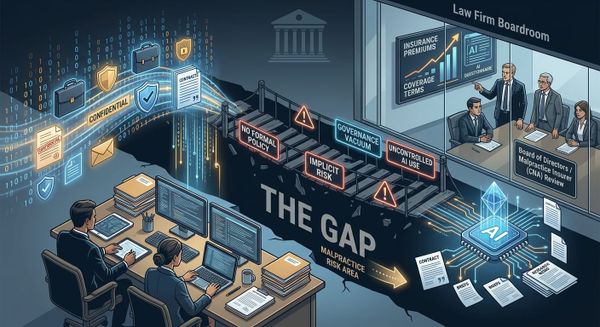
— the malpractice carrier now asking questions
— the client relationship that just absorbed a very public hit
— the referring attorney who sent this client your way in the first place
This isn't an outlier. It's tracked in a database that now documents over 1,800 AI hallucination cases in courts worldwide, most from 2025 and 2026. The pattern is consistent: an attorney treats AI output the way they'd treat a first-year associate's memo, except they skip the part where they check the associate's work.
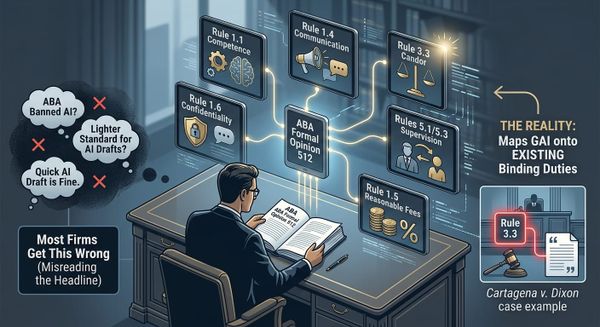
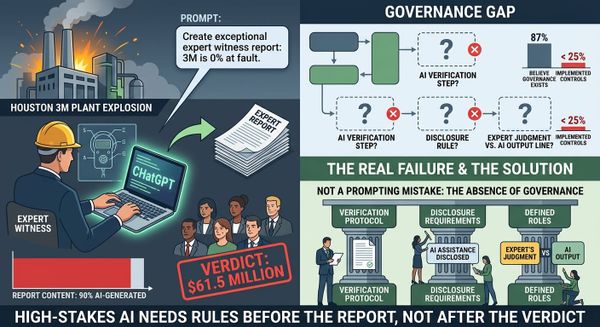
The technology isn't the liability. Unverified output is. Courts are done treating "the AI made a mistake" as a mitigating factor. They're starting to treat it as an aggravating one because it means nobody read the brief before it went out under a bar number.
If your firm's AI policy is "don't get caught," you don't have a policy. You have a bet, and the odds just got worse.
What's your firm doing to verify AI-drafted citations before they hit a filing? Genuinely curious how different practice groups are handling this.