Most AI Hallucinations in Court Filings Happen in the Final 24 Hours. Here's the Data
Verification is the first thing deadline pressure erodes and it's usually invisible until a judge catches it, not before

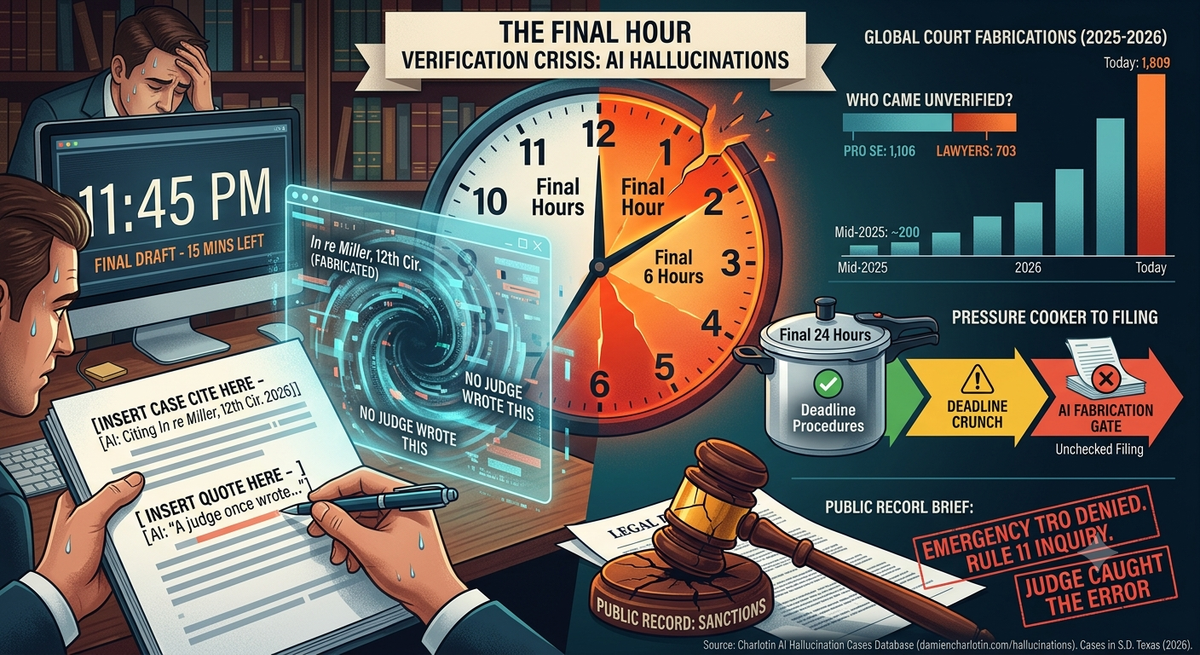
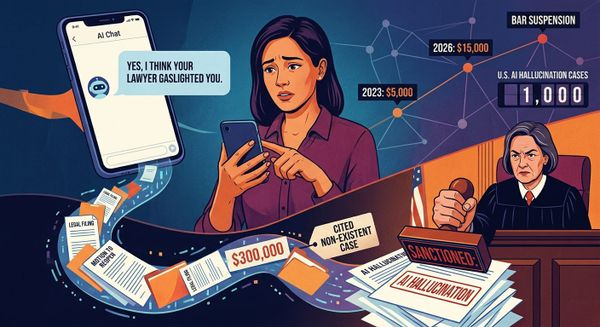
There are now 1,809 documented cases worldwide of courts catching fabricated AI-generated content in legal filings — citations that don't exist, quotes no judge ever wrote, cases invented wholesale. The database tracking them (maintained by legal researcher Damien Charlotin) has grown from roughly 200 cases in mid-2025 to over 1,800 today.
A pattern shows up again and again in the case records: the filings that slip through unverified are disproportionately the ones filed under time pressure — emergency motions, last-minute briefs, deadline-day submissions.
One recent example from a federal district court: a party filed an emergency motion for a temporary restraining order that had clearly been drafted with generative AI. The brief still contained unedited bracketed placeholders — the kind of thing a normal review cycle catches, but that slides through when someone is racing a clock. It also cited a Ninth Circuit case that does not exist. The court denied the motion and flagged the filing for Rule 11 concerns.
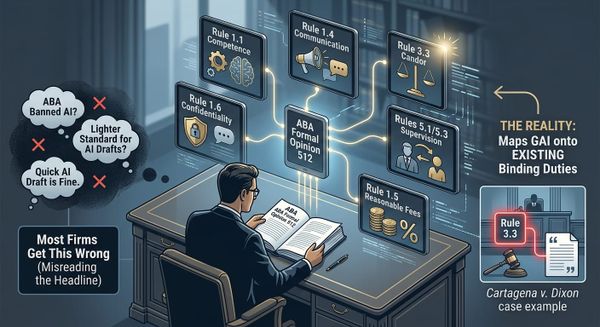
For firm leaders, the fiduciary read here isn't "don't use AI." It's that verification is the first thing deadline pressure erodes — and it's usually invisible until a judge catches it, not before.
The natural objection: "Our associates already know not to submit unverified work." Most did, before the deadline crunch. Of the 1,809 documented cases, 703 involve a practicing lawyer, not a self-represented filer. Knowing the rule and following it under a 6pm deadline are different things.
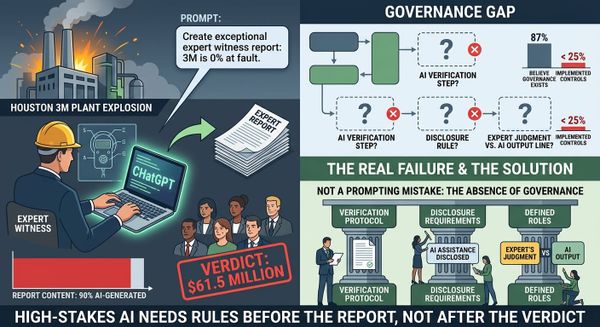
The fix isn't another training memo. It's a verification checkpoint built into the workflow itself — a citation-check step that happens regardless of how close the deadline is, ideally performed by someone other than the drafter.
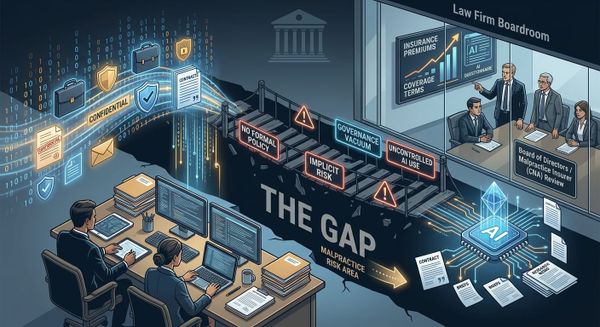
If your firm's deadline procedure doesn't have a hard verification gate, it has a gap. And gaps like this tend to get discovered by a judge, not by you.
What does your firm's deadline-day verification process actually look like — and would it survive scrutiny in the final hour?