Banning AI in Your Firm Is Riskier Than Using It Badly
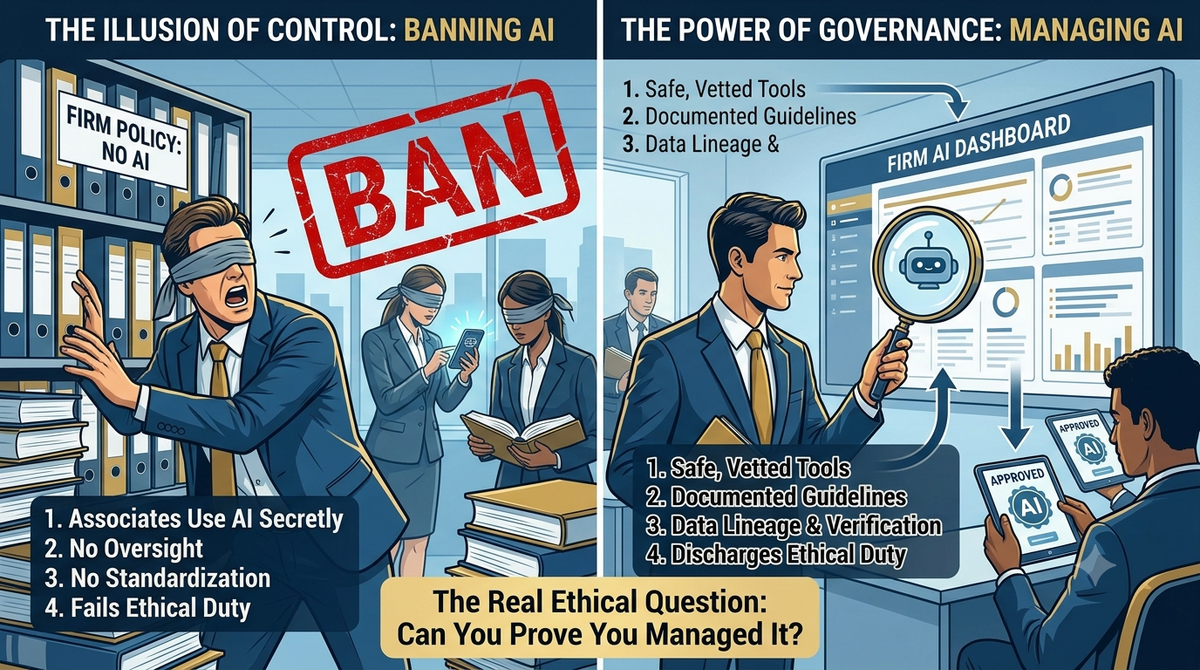
"A ban doesn't stop use; it removes your ability to see it, standardize verification, or defend your judgment. Prohibition doesn't discharge your duty of competence; it just removes your evidence that you tried.

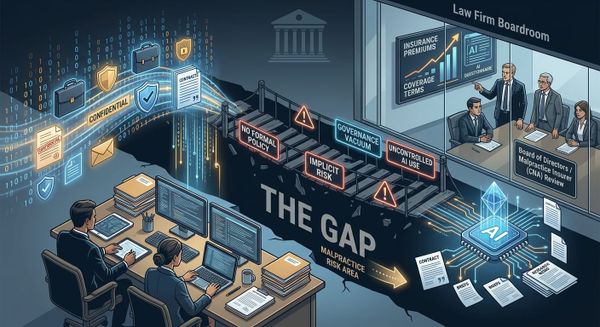
A firm with a written "no AI" policy and a firm with no AI policy at all have something in common: neither one caught the problem before a judge did.
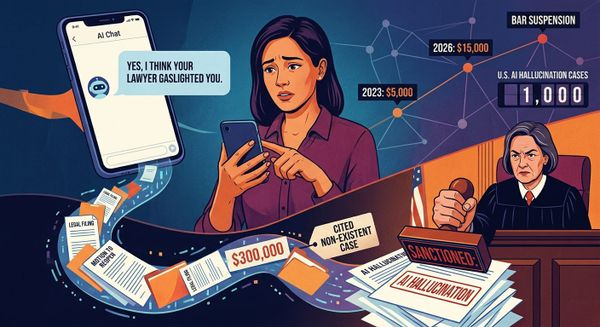
In *James F. v. Commissioner of Social Security* (E.D. Mich., July 2026), attorney Erin Rich filed briefing built on record summaries that misstated a speech-therapy note, misdated primary-care records, and inflated a single documented seizure into "numerous seizures." Rich told the court her firm "occasionally" used AI to summarize records — she just couldn't say which tool, on which matters, or who was supposed to check the output. The court found the conduct willful within the firm's own chain of command and ordered CLE training on AI ethics.
There was no ban to violate. There was also no governance to catch it. That's the part firm leaders keep missing when they treat prohibition as risk management: a ban doesn't stop an associate from opening a chatbot in another tab. It just removes the firm's ability to see it happen, standardize verification, or defend its judgment later.
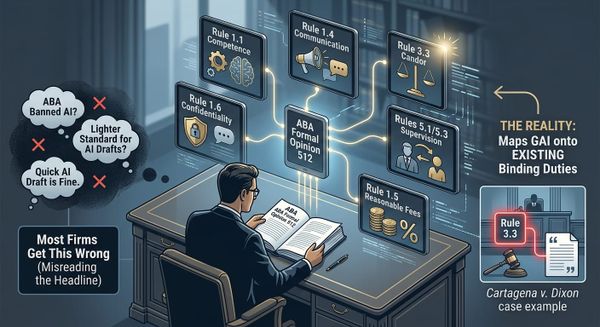
The instinct to ban is understandable — it feels decisive, and it sidesteps a hard governance conversation. But under most jurisdictions' duty of competence and duty of supervision, a partner is accountable for how a tool was used whether or not the firm "permitted" it. Prohibition doesn't discharge that duty. It just removes your evidence that you tried.
The objection I hear most: "If we allow it, we're endorsing the risk." The opposite is closer to true. Endorsing nothing is not neutral — it's an unmanaged variable in every matter your associates touch. Firms that instead publish a governed-use policy — approved tools, mandatory citation verification, disclosure requirements — have something to point to when something goes wrong. Firms that ban have only a policy that was already being ignored.
The real ethical question isn't "should we allow AI." It's "can we prove we managed it." Only one of those postures survives a malpractice inquiry.
Source: James F. v. Commissioner of Social Security, E.D. Mich., 13 July 2026 — via the Damien Charlotin AI Hallucination Cases Database: damiencharlotin.com/documents/2608